Vegetation management is the process of managing trees, shrubs, weeds and plants on land so it remains safe, accessible and environmentally balanced. It’s an important part of protecting people, property and infrastructure, as well as maintaining natural resources, particularly in regional and rural areas.
When vegetation is left to grow unchecked, it can lead to serious issues such as increased bushfire risk, blocked access, damage to infrastructure and safety hazards for nearby communities. Effective vegetation management focuses on reducing these risks while still protecting native plants and important habitats.
At its core, vegetation management is about keeping land in good condition through ongoing planning, regular maintenance and proactive risk management.
What Does Vegetation Management Involve?
Vegetation management isn’t a one-size-fits-all job. What’s involved depends on the type of land, its location and how it’s used.
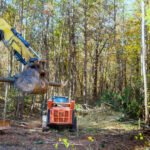
This can include controlling shrubs and regrowth, managing invasive weeds, pruning branches away from buildings or powerlines, removing hazardous trees or limbs, and keeping firebreaks clear. In other cases, it may involve clearing vegetation to maintain access to infrastructure, utilities, commercial sites or private property.
These works are typically carried out by experienced crews using specialised equipment and established processes to ensure everything is done safely and in line with current legislation.
Why Is Vegetation Management So Important?
Overgrown land can quickly become a major risk, especially in regional and rural areas. It can contribute to bushfires, restrict access for emergency services, allow weeds to spread and cause damage to nearby property and assets.
Proper vegetation management helps reduce fire risk, maintain safe access, protect native vegetation, ensure compliance with regulations and preserve the long-term value of the land. For landowners, councils and government agencies, vegetation management is often a legal requirement rather than a choice.
It also plays a key role in keeping communities safe.
Vegetation Management Laws in Australia
Vegetation management laws vary between states. In Queensland, for example, the Vegetation Management Act outlines how vegetation can be cleared, managed or protected, including rules around native vegetation, essential habitats and approval requirements.
Local councils and government agencies may also have their own rules depending on land zoning, vegetation type and location. In some situations, permits or approvals are required before any clearing or removal work can begin.
Understanding these requirements before starting work is essential to avoid compliance issues or penalties.
Native Vegetation, Significant Trees and Essential Habitat
Not all vegetation is treated the same under the law. Native vegetation, significant trees and areas listed as essential habitat are often subject to stricter protections.
Good vegetation management involves identifying protected vegetation early, assessing site risks and planning works carefully. Where possible, selective maintenance or low-impact methods can be used to achieve safety outcomes without unnecessary clearing.
This approach helps balance environmental protection with practical land management.
Low-Impact Vegetation Management Solutions
Vegetation management doesn’t always require heavy machinery. In steep, overgrown or environmentally sensitive areas, low-impact solutions can often be more effective.
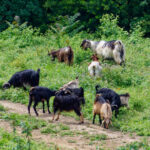
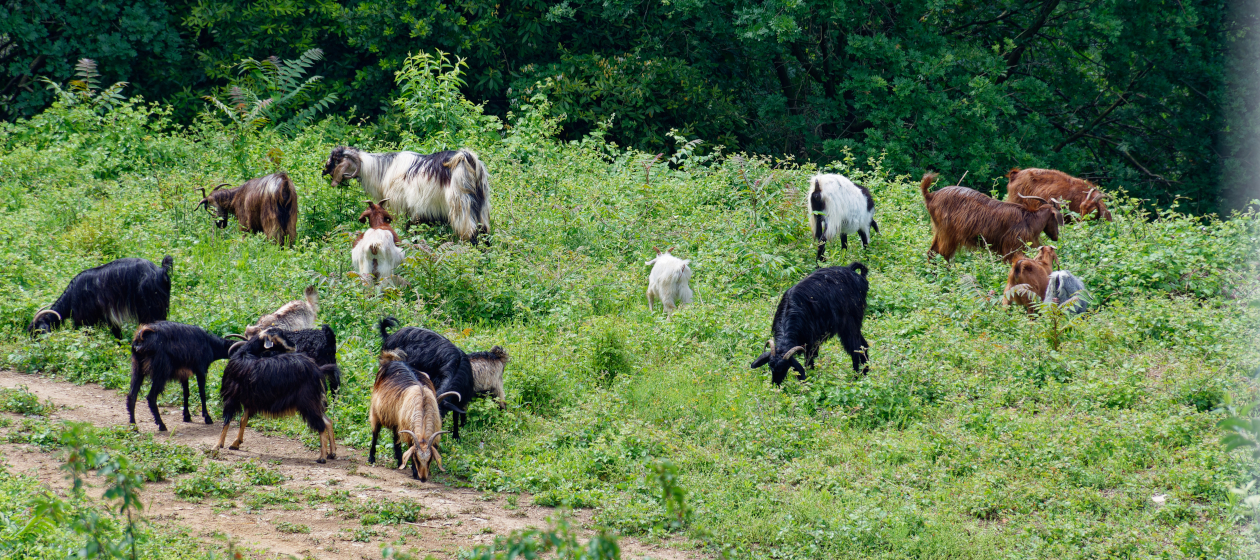
One option is goat hire, which provides a natural way to control weeds and dense vegetation without disturbing soil or damaging surrounding plants when managed correctly. This approach is commonly used in areas where machinery access is difficult or unsuitable.
There are also helpful resources explaining how goat hire works for weed control, why it’s a low-impact solution for difficult terrain, and what goats will and won’t eat.
Vegetation Management for Fire Safety
Vegetation management is a critical part of bushfire prevention, particularly in rural and regional areas. Reducing fuel loads, maintaining firebreaks and managing vegetation around buildings and access routes can significantly reduce fire risk.
For landowners preparing their property, understanding how vegetation management fits into fire planning is essential. Guidance on preparing your property before hiring goats and using goat hire for bushfire prevention can be particularly useful.
Vegetation Removal and Tree Management
In some cases, vegetation removal is unavoidable. Dead or unstable trees, invasive weeds and vegetation impacting infrastructure may need to be removed to keep people and property safe.
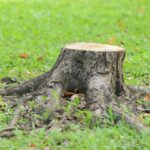
Tree management can include pruning branches away from buildings or powerlines, removing hazardous trees, and grinding or removing old tree stumps. Professional stump grinding helps ensure sites remain safe, level and usable after tree removal.
There are also useful guides explaining why old tree stumps should be removed and how palm tree stumps can be safely taken out.
Vegetation Management for Commercial and Industrial Sites
Commercial properties, manufacturing sites and industrial facilities often require structured vegetation management to maintain compliance, access and safety.
This may involve managing vegetation around assets, keeping access routes clear and ensuring regular maintenance is carried out. Goat hire is a common solution for commercial sites where low-impact vegetation control is required.
Vegetation Management by Coastwide Contracting
Coastwide Contracting provides professional vegetation management across residential, rural and commercial land. Our crew combines hands-on experience, careful planning and low-impact solutions to deliver safe and compliant outcomes.
Our services include ongoing vegetation maintenance, goat hire for overgrown or hard-to-access areas, tree stump grinding and removal, and regular land maintenance to keep properties safe and manageable. You can learn more about our vegetation management services, explore our goat hire solutions, or read about our team and experience.
Frequently Asked Questions
Do I need permission to remove vegetation?
In many cases, yes. Approval requirements depend on location, vegetation type and local or state regulations. It’s always best to check the rules or seek professional advice before starting any clearing work.
What does “native vegetation” mean?
Native vegetation refers to plants and trees that naturally occur in an area. These are often protected under legislation, especially if they form part of an essential habitat or mapped area.
Does goat hire work for every site?
Not always. Goat hire is best suited to steep, overgrown or hard-to-access areas where machinery isn’t practical. A site assessment can help determine whether it’s the right option.
Do I need to remove everything, or can vegetation just be maintained?
In many situations, full removal isn’t necessary. Selective clearing, pruning and regular maintenance can often resolve safety issues while preserving existing vegetation.
Prepare Your Property Before Fire Season Hits
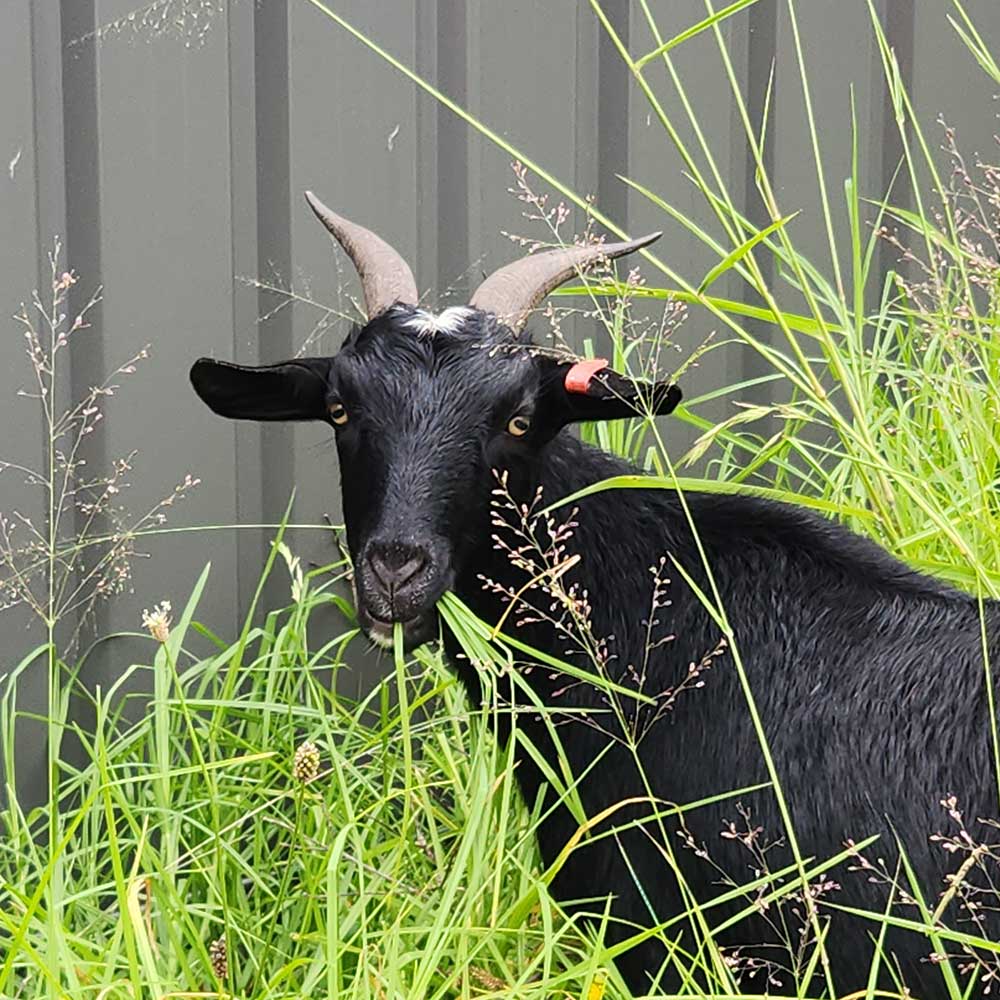
If you manage land in a bushfire-prone area, goat hire can be a smart, nature-friendly approach to reducing bushfire risk.
Want to see if goats would work for your property?
We offer:
- Site inspections
- Fuel-load assessments
- Vegetation and land-management recommendations
- Practical bushfire-preparedness support
Let Coastwide Contracting help you turn fire risk into fire resilience.
Get in touch today to request a quote or learn more about goat-based vegetation management.
Goat Hire
"*" indicates required fields